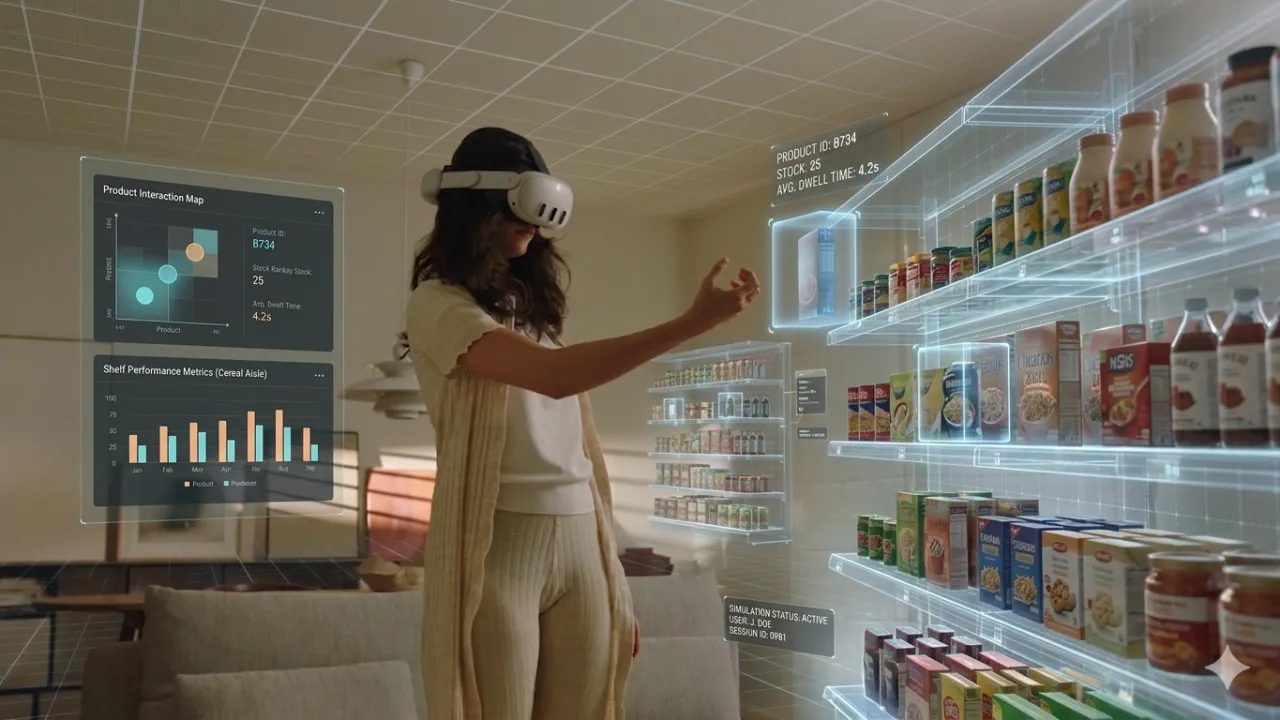
Rexee Shelf Testing: What it is, how it works, and why it changes the way brands make decisions
You’re in the supermarket aisle doing your weekly shop. You grab a bag of crisps. A pack of coffee. You grab it and and move on to the vegetables.
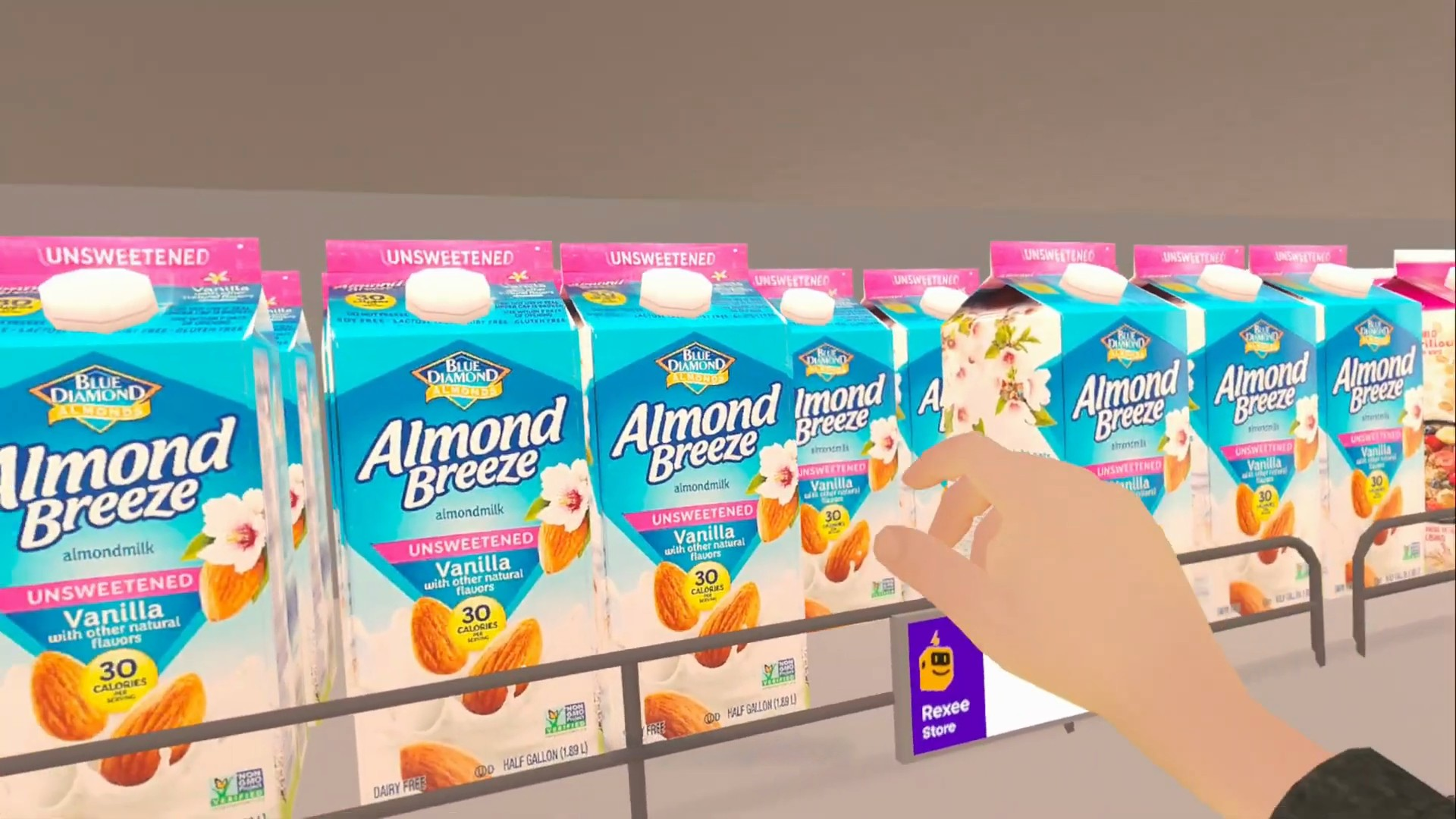
Behind that simple gesture — your hand reaching out, your fingers wrapping around that pack — there’s a story you don’t see.
If you are a Brand Manager, a Category Lead, or a Researcher, you know exactly what’s behind that gesture: months of work, endless meetings, and one burning question: “Will it actually work?”
To answer that question, we usually turn to research. But traditional shelf testing comes with a massive headache: the struggle of physical mock-ups, expensive facilities, and logistical nightmares.
That’s where Rexee changes the game.
What is a shelf test?
A shelf test is a research methodology designed to understand how consumers navigate, perceive, and choose products when they’re standing in front of a shelf. It’s not about asking people what they prefer. It’s about observing what they actually do when faced with a real purchase decision. Crucially, it’s about visibility: understanding how easy (or hard) it is for a shopper to actually find your product among a sea of competitors. If they can’t find you in those first few seconds, you don’t exist.
Traditionally, this meant building a physical replic a of a retail environment — a mock-up shelf stocked with real or prototype products, set up in a specialized research facility. Respondents would come in, browse, and choose, while researchers watched from behind a mirror or on camera.
It works. But it comes with significant constraints that today’s fast-moving market can no longer ignore.
The limits of physical shelf testing
Building a physical mock-up is essentially a construction project before the research even starts.
- The Logistics Trap: If you want to test three packaging variants, two different planograms, and a competitor shelf scenario, you’re looking at a logistical nightmare.
- The Cost of Change: Moving a product or changing a price tag in a physical setup takes manual labor and time.
- The “Lab Effect”: When people walk into a sterile research facility and know they’re being watched by a moderator with a clipboard, they stop being “shoppers” and start being “test subjects.” They become more deliberate and considered. The data you collect reflects their best intentions rather than their instinctive, subconscious behavior.
For brands that need to move fast or reach consumers across different global markets, the traditional approach is simply too heavy.
That’s where Rexee comes in.
How Rexee shelf testing works
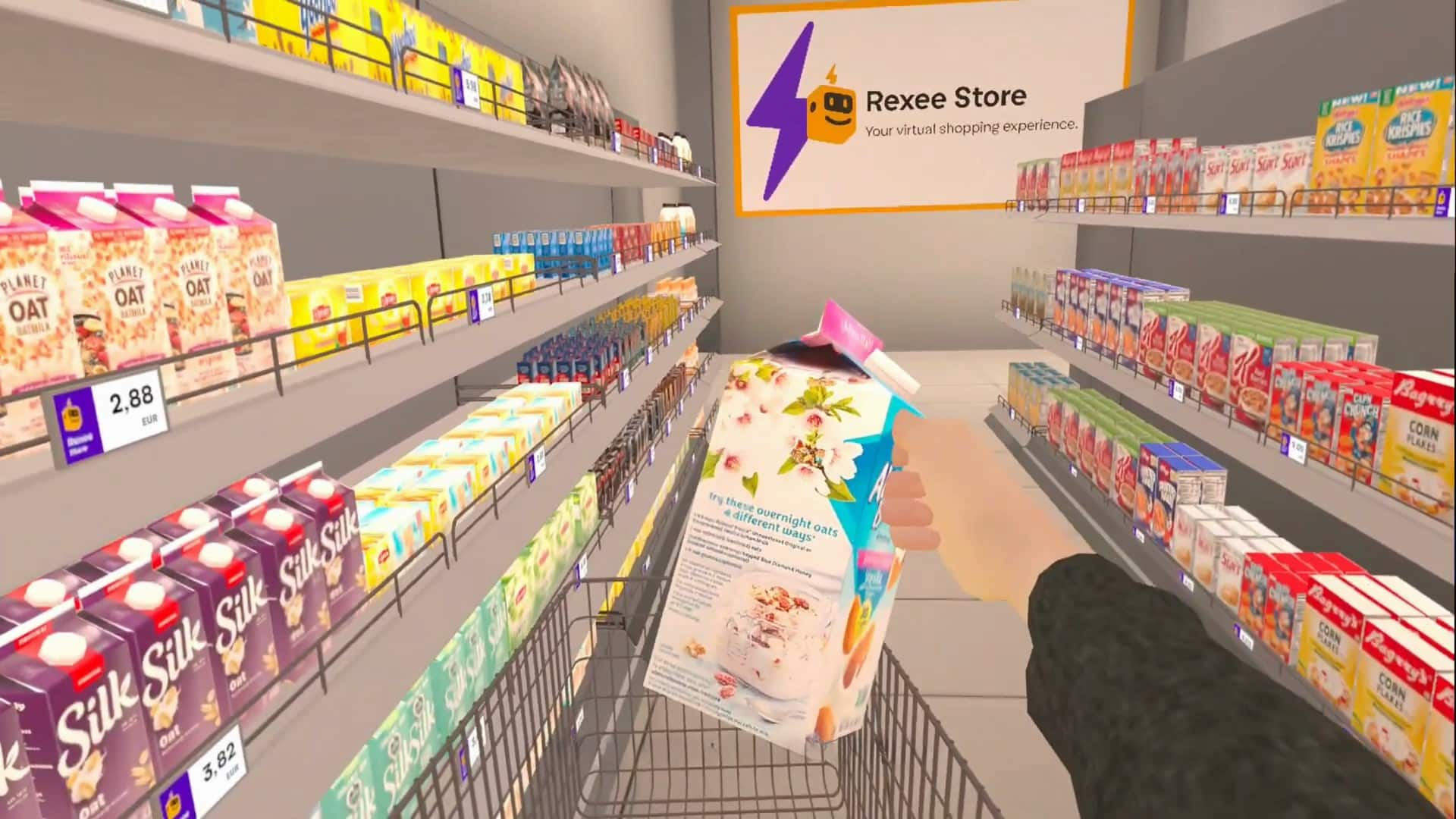
Rexee replaces the physical metal and plastic with a fully rendered, hyper-realistic digital environment.
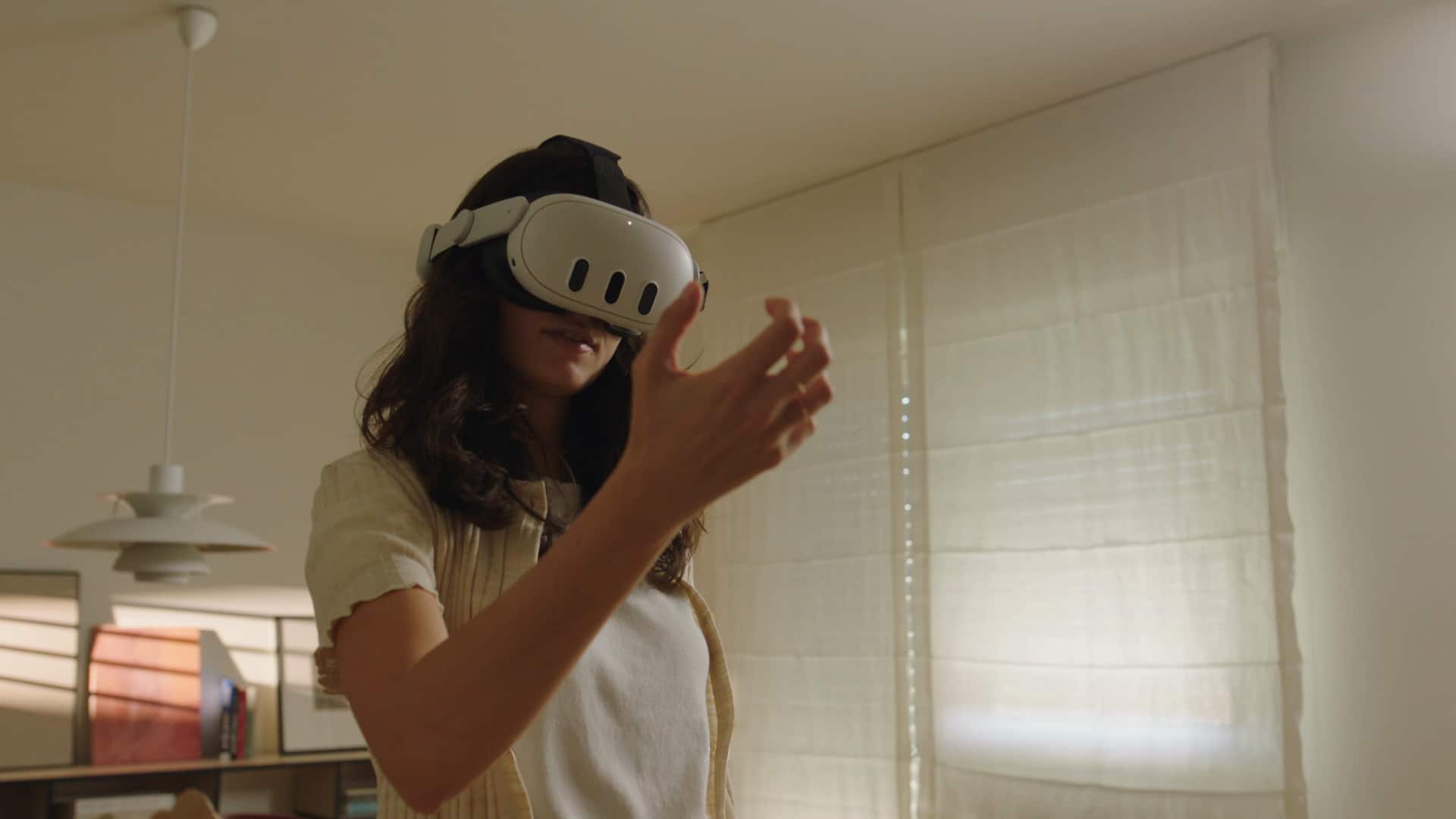
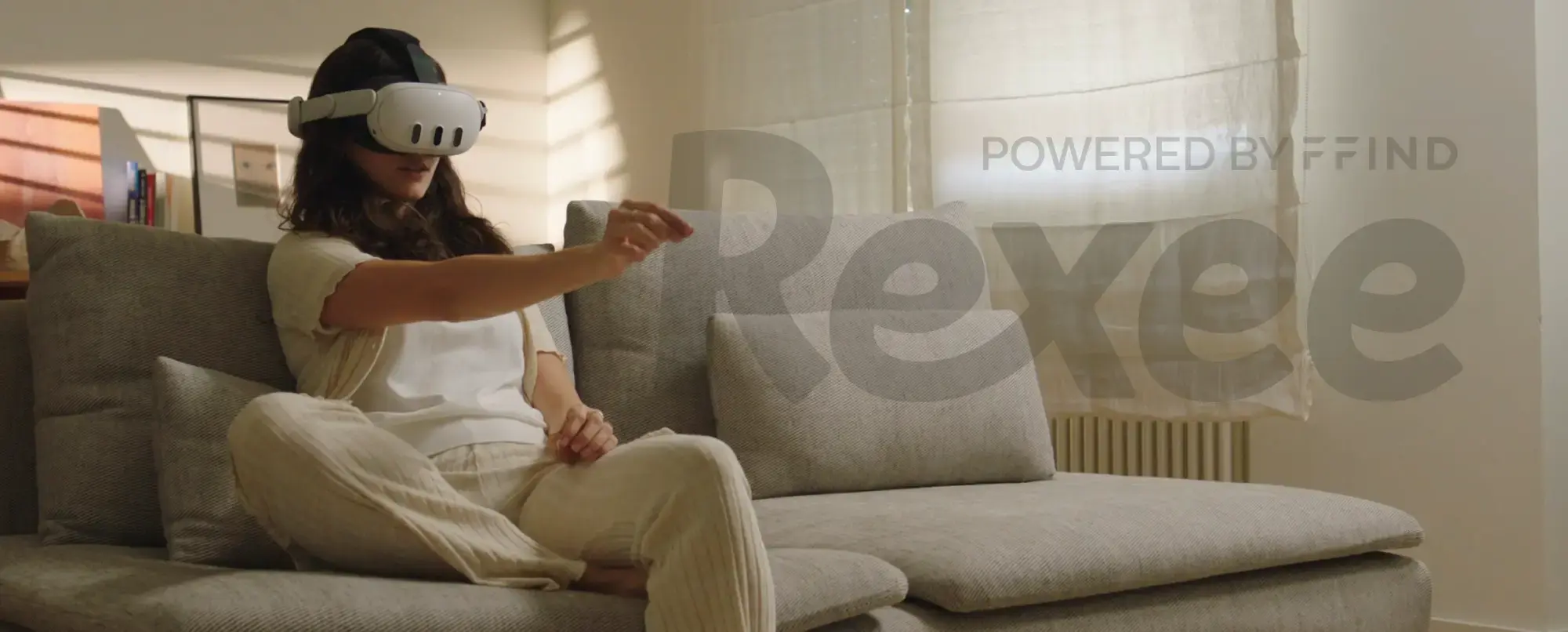
The process is high-tech but the experience is simple: Respondents put on a VR headset (Meta Quest) either in a controlled facility or even at home. Suddenly, they aren’t in a room anymore; they are standing in a supermarket aisle.
- 3D Precision: Every product is 3D-modeled to match real packaging, down to the texture and the way light hits the plastic.
- The Context Matters: We don’t just build a shelf; we build the store. The lighting, the floor reflections, the surrounding categories — everything is designed to replicate the actual retail setting.
Natural Interaction: Respondents don’t click buttons. They reach out, pick up the virtual bottle, turn it to read the ingredients, and put it in their virtual cart.
The Data Goldmine: what you get (that traditional tests can’t capture)
In a traditional shelf test, you often rely on a researcher’s notes or a video recording that needs hours of manual analysis. With Rexee every movement is tracked in a digital environment, we provide a level of granular detail that was previously impossible to measure accurately.
Here is exactly what the Rexee data output delivers:
- Full Path-to-Purchase (Store Navigation): We record the exact path the user takes through the store. You can see where they stop, where they speed up, and which secondary displays catch their attention before they even reach the shelf.
- Gaze Direction & Shelf Focus: We track the direction of the user’s gaze. You’ll know which area of the shelf they focus on first, which categories they scan, and how their attention moves across the different levels of the planogram.
- The “Grab” Factor (Product Interaction): We don’t just track what people look at; we track what they actually pick up. You get precise data on which products were grabbed and held, even if they weren’t ultimately purchased.
- Precise Session Timing: You get the exact start and end time of every single interaction. You can measure exactly how many seconds it takes for a shopper to find your brand or how long they spend comparing two specific labels.
- Real-time Open-Ended Feedback: While the respondent is immersed, they can “think aloud.” Rexee captures these open-ended responses with AI-powered real-time transcription, eliminating the risk of human error or memory bias during post-test interviews.
- Seamless Integration with Quantitative Data: The behavioral data from the VR session is automatically synced with traditional questionnaires. You get the “What” (behavior in VR) and the “Why” in one comprehensive, ready-to-analyze file.
Virtual shelf testing doesn’t replace every form of shelf research. But for brands that need to test faster, test more, and get closer to how consumers actually behave at the point of purchase, it closes a gap that traditional methods have always struggled with.
If you’ve made it this far, one of two things is probably true: either you’re genuinely fascinated by the technology behind Rexee, or you’ve spent enough late nights dealing with the logistical nightmares and high costs of traditional shelf tests to know there has to be a better way.
If you recognize those challenges, well, let’s talk about it deepen.
Other Articles
-
 Rexee15 October 2025
ESOMAR Congress 2025: FFIND presents the shelf test in VR
What if you could run a full shelf test — products, aisles, cart and all — without the need for physical stores or flat 2D mock-ups? That’s our latest development with Rexee, our ... -
 Rexee28 April 2025
Transform Data Collection with XR: Rexee’s virtual reality market research
In today’s world, market research is expected to deliver more — greater authenticity, deeper engagement, richer insights, and higher-quality data. As consumer behavior evolves and ... -
 Rexee24 September 2024
ESOMAR 2024: FFIND presents Rexee, the new frontier of market research in XR
On September 9th, we were speakers at the ESOMAR Congress 2024, the global benchmark for those working in market research, data, and insights. Every year, this event brings togethe...