
How CATI is Evolving: An expert interview on the future of telephone research
Reaching the right people for quality insights has never been more challenging. In market research, telephone interviews have long been a cornerstone precisely because they offer control, reliability, and accountability. It is precisely these enduring values that have driven the evolution of Computer Assisted Telephone Interviewing (CATI), as the methodology adapts to a world where respondents, regulations, and communication itself have been fundamentally transformed.
While some providers struggle to adapt, at FFIND we’ve used this shift as an opportunity to strengthen telephone interviews for today’s landscape.
To understand how the methodology is transforming, we sat down with FFIND project managers Laura Fradella and Gilda Pumo. Their hands-on experience offers a clear view of how telephone interviews are changing in 2026 and where it’s headed next.

What are the main changes clients notice in telephone market research today?
Laura: What we see first is a change in context, and clients confirm it very clearly. Certain targets take more effort to reach, response dynamics have evolved, and privacy requirements are more structured than before. But beyond that, clients increasingly ask for something else: visibility. They want to understand what’s happening while fieldwork is live, not only once the data is delivered because research today is expected to support real decisions, not just produce reports.
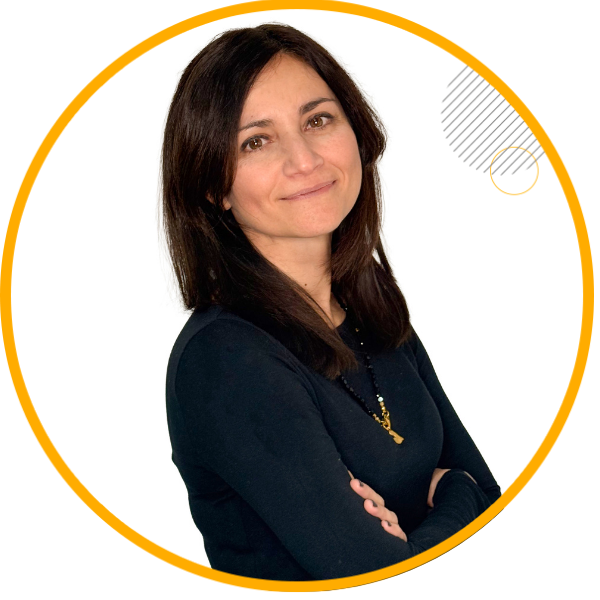
Laura Fradella, Senior Project Manager FFIND
Gilda: From my perspective, the biggest shift is how crowded the communication environment has become. Participation is no longer automatic, it has to be earned through credibility, respect, and clarity. People receive calls constantly for very different reasons, and respondents don’t ignore them out of distrust, but because they’re overwhelmed. That’s why the human approach is now critical: when interactions are clear and transparent, telephone interviews don’t just work, they can even outperform digital alternatives.
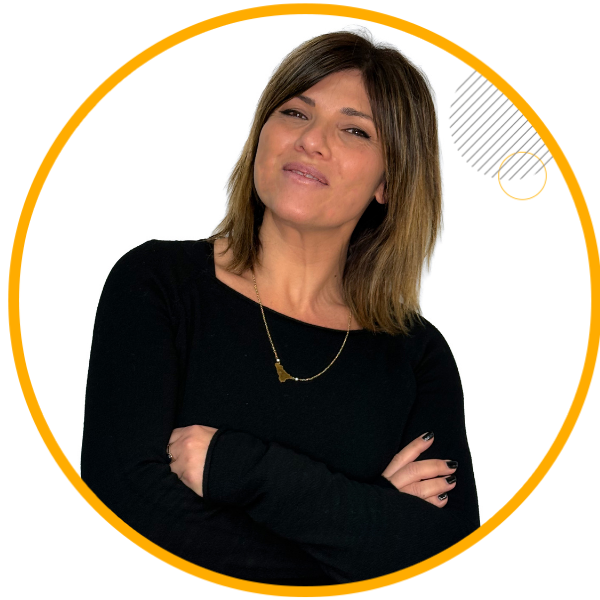
Gilda Pumo, Senior Project Manager FFIND
Why is continuing to work as in the past no longer an option?
Laura: Here’s the thing: telephone interviews are a proven methodology. They’ve been the backbone of quality research for decades. But proven doesn’t mean static. If you’re running projects the same way you did in 2015, you’re going to struggle. Target availability is less predictable. Communication habits have changed. Regulatory landscapes have evolved. The methodology itself is sound, but the execution needs to keep pace.
Gilda: I often explain it with a sports metaphor. Think of a professional marathon runner: they wouldn’t show up on race day using the same training plan they followed ten years ago. Courses change, weather conditions shift, competition gets tougher. Athletes adjust their preparation, pacing, and strategy accordingly. Telephone inteviews work in the same way.
At FFIND, this awareness led to a clear choice: anticipating change rather than struggling to keep up with it.

How has FFIND adapted its CATI methodology?
Laura: We rethought contact strategy entirely. Today, reaching the right people is about timing and relevance. Target availability is far more fragmented than it used to be, so we work with flexible contact strategies: adjusting when we call, rebalancing samples as the project progresses, and keeping a close eye on how things are performing in real time.
This means we don’t wait until the end of a project to realise something isn’t working. If a target responds differently or a quota slows down, we step in immediately and adapt. For our clients, this translates into smoother projects, fewer surprises, and data that stays aligned with the original strategic objectives.
Gilda: At the same time, we invested heavily in people. Our interviewers today are not just executing a script. They’re trained, knowing when to slow down, when to clarify, and how to adapt tone and pace depending on who they’re speaking with.
This focus on the human side of telephone interviews has become a key differentiator in today’s market research landscape. When attention is scarce, the difference between a trained interviewer and a script reader is enormous.
How have regulations and privacy requirements affected telephone interviews?
Laura: Regulations like GDPR definitely changed the framework we work in, but they also brought more clarity. Clients are more attentive to how data is collected, and respondents expect transparency. At FFIND, this pushed us to make our procedures even clearer, from how we manage consent to how we explain the purpose of the research. One of the strengths of telephone research is the ability to explain things in real time. That clarity helps build trust and trust is essential for quality research today.

How do client expectations shape your approach, and what sets FFIND apart?
As data becomes easier to generate, the question is no longer how much data you have, but how much of it you trust.
Gilda: What we see today is that clients want to be closer to the research process. Transparency, control, and visibility during fieldwork now matter as much as speed, especially when research needs to support strategic decisions.
At the same time, clients are increasingly aware that no single methodology can answer every research question. Telephone interviews remain a strong and reliable foundation, particularly when data quality, representativeness, and control are essential. However, depending on the target and the objective, it is often complemented by CAWI (Computer Assisted Web Interviews) or mixed-method approaches especially to balance samples, reach specific audiences, or integrate different data sources in a coherent way.
This is where FFIND makes a real difference. We design research projects as flexible systems, where telephone interviews, online interviews, and mixed methods work together without losing methodological consistency.
This integration becomes especially important with younger audiences. In some cases, even telephone interviews combined with online interviews can struggle to fully engage younger respondents. This is less about willingness to participate and more about how certain targets interact with research formats: younger audiences tend to respond better to experiences that are visual, contextual, and closer to real-life situations.
For these specific scenarios, Rexee comes into play as a complementary tool. By using virtual reality for activities such as product tests and shelf tests, respondents can interact with realistic, simulated contexts. When integrated into a structured research design and supported by quantitative measures, this approach adds behavioural depth to stated feedback particularly where context influences choice.
Why telephone interviewing still support confident decisions
Telephone interviews remains central at FFIND not out of habit, but because of what it continues to do better than many alternatives.
- It is inclusive, reaching populations often excluded from digital-only research.
- It is reliable, thanks to direct human interaction that encourages complete and thoughtful answers.
- And it is controllable, offering a level of oversight and data quality that automated techniques alone struggle to fully replace.
By harmonizing these strengths with adaptive processes, skilled specialists, and complementary tools like Rexee, CATI remains, more than ever, a cornerstone of confident decision-making.
If your decisions depend on data quality and research, it might be worth a chat. Contact us.
Other Articles
-
 CATI26 February 2026
The operational challenges of telephone market research
For many business leaders, the gap between needing a clear answer and securing reliable, actionable data can feel daunting. How do you bridge it? Often, the solution lies in choos... -
 CATI14 November 2025
What makes Sample Quality actually reliable
Why “hitting quotas” doesn’t mean you reached the right people—and how to ensure your sample delivers credible insights. You’ve commissioned a study targeti... -
 CATI29 October 2025
Reliable Data Collection starts with proactive management
Reliable data starts long before fieldwork begins. Picture this: your multi-country B2B study launches next week. The client presentation is set, stakeholders are aligned. Soft la...